

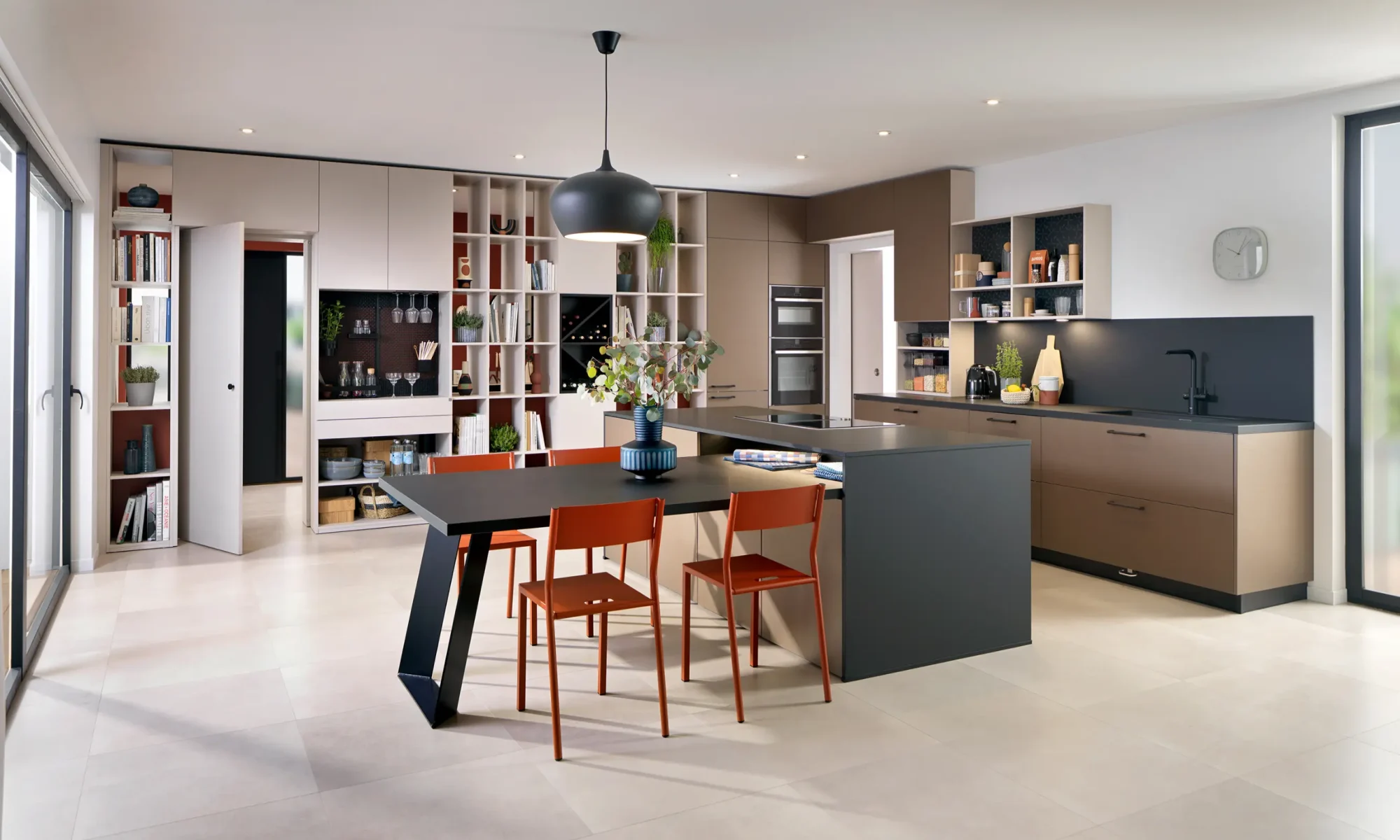
A German kitchen is known for its superior craftsmanship, innovative design, and long-lasting quality. To ensure your kitchen stays in top condition and continues to look pristine while functioning optimally, regular maintenance is key. Here are some practical tips to help you preserve the beauty and efficiency of your German kitchen in Swansea for years to come.
1. Regular Cleaning of Surfaces
Keeping your kitchen surfaces clean is essential for both hygiene and maintaining the aesthetic appeal of your German kitchen. For worktops, cabinets, and flooring, use non-abrasive cleaners suited to the specific materials used in your kitchen. German kitchens often feature high-quality materials like natural stone, granite, or engineered quartz, which are durable but require gentle care to avoid scratching. Wipe down surfaces regularly with a soft cloth and a mild cleaning solution to prevent grease, stains, and dirt buildup.
2. Care for Your Appliances
German kitchens are often equipped with state-of-the-art appliances that are built to last. To keep these appliances running smoothly, follow the manufacturer’s maintenance instructions carefully. For example, clean the filters of your dishwasher, range hood, and extractor fan regularly to maintain optimal performance. Check the seals on refrigerators and ovens to ensure they’re tight and free from damage, as this helps conserve energy and prevent food spoilage.
3. Deep Clean Your Oven and Cooker
German kitchens often feature premium ovens and cookers, which should be regularly cleaned to preserve their function. Use a suitable oven cleaner to tackle grease and food residue. Clean the oven door and any racks with a damp cloth and avoid using harsh chemicals that could damage the surfaces. Regularly check the cooker’s burners and grates for any buildup, and wipe them down after each use.
4. Maintain the Plumbing and Drainage System
Proper maintenance of your plumbing system is essential in a German kitchen to ensure everything continues to function optimally. Regularly check for any signs of leaks under the sink, around taps, and in the dishwasher. Clean the drains and waste disposal system regularly to prevent blockages. If you notice any issues, address them quickly to avoid larger problems down the line.
5. Protect Your Cabinets and Drawers
The high-quality materials used in German kitchens, including wood, lacquer, and composite surfaces, require special care. To prevent scratches, use coasters or placemats under hot pans, plates, and utensils. Avoid placing sharp objects directly on wooden surfaces, as this can cause damage. If your kitchen features soft-close drawers or doors, ensure they are used gently to prevent wear on the hinges.
6. Regularly Check Seals and Grouting
Ensure that the seals around your worktops, sinks, and appliances are in good condition. Over time, these can wear out and need to be replaced. Inspect the grouting between tiles to prevent cracks or mould growth, especially in areas prone to moisture like around the sink and splashbacks. Re-seal grout lines as needed to maintain a clean and polished appearance.
7. Keep the Air Circulation in Mind
Maintaining proper air circulation helps prevent moisture buildup and keeps your kitchen dry and fresh. German kitchens often come equipped with efficient extractor fans and ventilation systems. Make sure these systems are regularly cleaned and maintained to keep air flowing properly, especially in areas where cooking fumes and steam can accumulate.
8. Polish Metal and Glass Surfaces
German kitchens often feature sleek, modern elements such as stainless steel appliances, glass panels, and metallic handles. To keep these surfaces looking shiny and new, use a suitable metal cleaner or glass cleaner. Avoid abrasive scrubbers that can leave marks or scratches. For stainless steel, consider a specialised polish that helps maintain its shine while protecting it from fingerprints and smudges.
9. Mind the Flooring
German kitchen floors are often made of durable materials such as wood, ceramic, or stone. Regular sweeping and mopping will keep your floors clean and free of debris. For wooden floors, consider using a wood-specific cleaner to avoid damage to the finish. For tile or stone floors, use a non-acidic cleaner to avoid discolouration and damage to the grout. If you have underfloor heating, ensure that it’s inspected periodically to ensure it’s working efficiently.
10. Stay Ahead of Small Repairs
Finally, staying proactive about small repairs will prevent minor issues from becoming major ones. Regularly inspect your kitchen for loose cabinet handles, worn-out seals, or faulty appliances. By addressing these issues early on, you can maintain the functionality and aesthetic of your kitchen for years to come.
Keep Your German Kitchen in Top Shape
With proper care and attention, your German kitchen will continue to serve you well for years. By maintaining surfaces, cleaning appliances, caring for plumbing, and addressing small repairs promptly, you can ensure your kitchen remains as beautiful and functional as the day it was installed. Regular upkeep will help preserve the long-term quality and elegance that German kitchens are known for, adding both value and enjoyment to your home in Swansea. For bespoke German kitchen solutions, contact our expert team today and book a consultation.